
Scotland has decided on salmon farming – now it needs to deliver
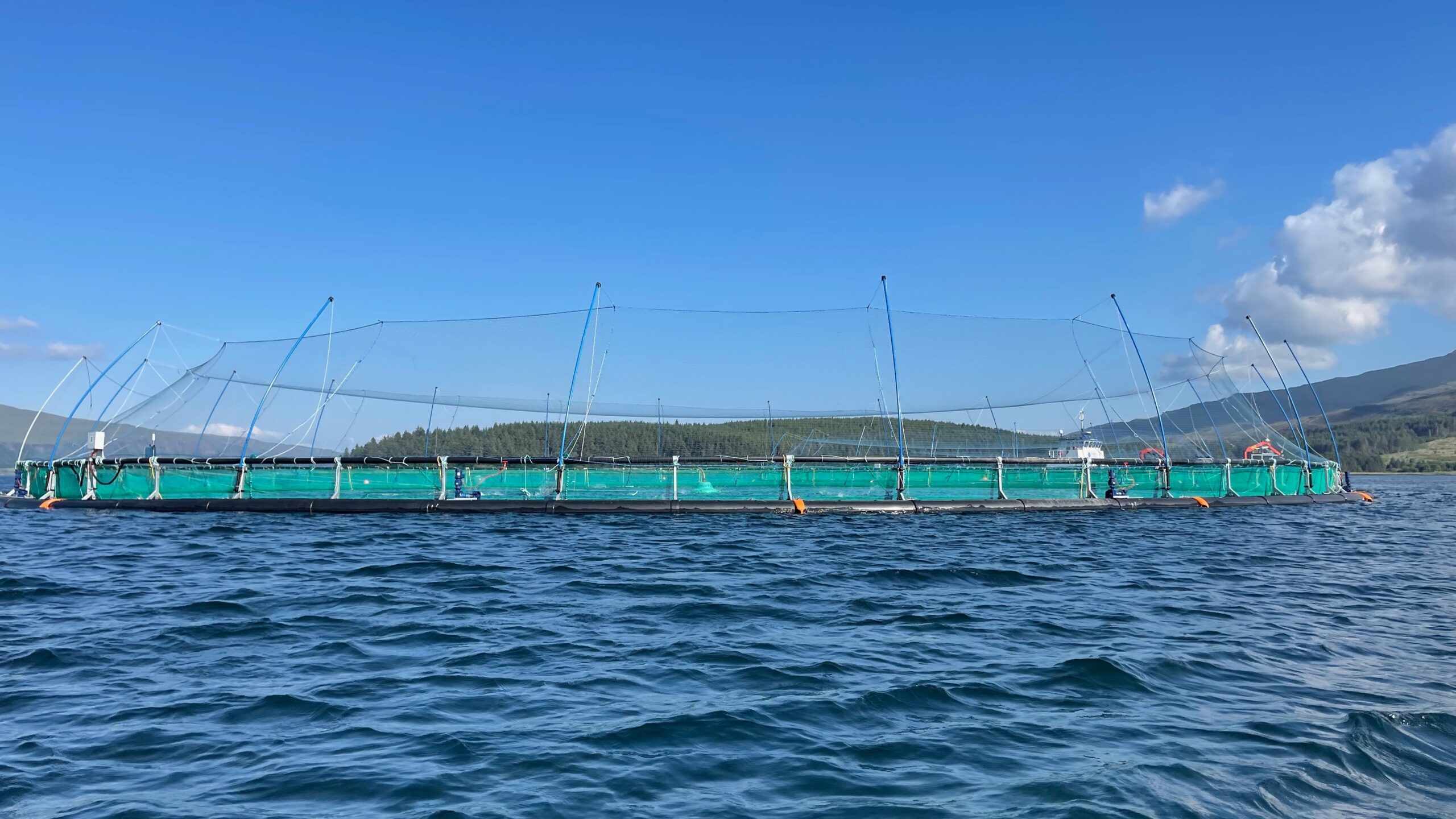
Scotland no longer has a salmon farming debate problem. It has a delivery problem. The science is well established. The legislative framework is largely in place. There is broad agreement that the sector matters, economically and socially, to rural and coastal communities. The direction is not in doubt. Delivery is.
A Parliament that will not wait
This Parliament is different. A minority SNP government means decisions will be shaped more openly – and tested more critically – than before.
Aquaculture now sits within a more plural debate:
- Greens emphasising fish welfare and environmental protection
- Labour pressing for transparency and accountability
- Conservatives focused on economic contribution and efficiency
- Liberal Democrats prioritising clarity of evidence
- Reform UK scrutinising how well the system itself is working.
What unites them is not ideology, but expectation. Across parties, there is a clear demand that evidence translates into outcomes people can see. Progress is no longer optional. It is expected. The era of discussion without delivery is over.
We know the problem
This is not a question of missing evidence. The previous Parliament’s Rural Affairs and Islands Committee made the position clear: progress has been made, but not at the pace required. Mortality remains too high. Transparency has improved but is not consistently meaningful. Consenting reform remains slow and difficult. None of this is new. What has changed is the level of impatience and where it is now directed.
The issue is systemic. Scotland has extensive data, strong technical expertise and a clear set of proposed solutions. But it still struggles to turn agreement into action. Data is published but not always understood. Regulatory powers exist but are applied unevenly. Innovation moves faster in operations than in governance. The result is a familiar pattern: capability without consistency – and diminishing tolerance for the gap.
Government signals a reset
The new Cabinet structure reflects recognition of this and the intent to act. Ivan McKee’s appointment to the new role of Cabinet Secretary for Public Service Reform highlights the core issue: not what to do, but how government delivers it. Layers of process and institutional caution have slowed progress for years. Addressing that should unlock movement.
At the same time, bringing Climate Action and Rural Affairs back together in Cabinet member Gillian Martin’s portfolio signals that alignment is no longer optional. For salmon farming, this raises the bar. The sector is no longer being asked to balance competing priorities – it is expected to demonstrate how it delivers environmental and economic outcomes together. That will be judged in outcomes, not intent.
Jim Fairlie, the Minister for Agriculture, Marine and Islands sits at the centre of this, balancing sector support, regulatory oversight and community confidence. What has changed is not the complexity of the role, but the expectation that these pressures are resolved visibly and credibly.
The missing lever
If there is one lesson from the past decade, it is that good policy does not deliver change on its own. The real constraint has been the system beneath it, particularly planning, capital investment and regulatory consistency.
This is why the Minister for Public Finance, with responsibility for planning, is now central to aquaculture’s future. Crucially, that role is held by the MSP for Shetland, Hannah Goodlad.
In Shetland, salmon farming is not an abstract policy issue. It is a core part of the economy, employment and community sustainability, operating under some of the most acute environmental and regulatory pressures in the country.
For a sector that has often struggled to ensure its value is fully understood, this brings a different perspective into the centre of decision-making; one shaped by direct constituency experience. It also raises expectations. Because Shetland reflects the sector at its most exposed: where economic reliance and scrutiny exist side by side.
The implication is clear. National intent must translate into workable local decisions. Site reform and modernisation, essential to improving welfare and environmental performance, cannot happen at scale without planning systems that are predictable and timely, investment conditions that support long-term upgrades; and consistent application of regulation. Without these, even well-supported reforms stall.
Three tests will define whether this changes:
- Whether planning shifts from constraint to enabler
- Whether policy clarity and regulatory certainty unlock private investment
- Whether national priorities translate into consistent local decisions
Without progress here, little else will move at the pace now expected.
Where the test will come
The measures of success are clear. Fish mortality and welfare remain the most visible indicators of both performance and public trust. Transparency must move beyond publication to genuine understanding. And site reform must not only happen but be seen to happen. These are the areas where credibility will be won or lost.
There is also a shift required from within the sector. There is recognition of its contribution: the jobs it supports, the communities it sustains, the investment it brings. But there remains a perception that engagement can be too narrow and reactive, focused on rebuttal rather than context, reliant on global comparisons over local accountability, and framed in ways that harden positions rather than build consensus.
In a more contested political environment, that matters. Support cannot be assumed. It must be built, and how the case is made increasingly shapes whether it succeeds.
The opportunity is clear. The sector can move beyond advocacy and help shape the system that delivers outcomes. That means engaging earlier, acknowledging challenges alongside strengths, recognising shared pressures across regulators and communities, and demonstrating clearly how aquaculture contributes to national goals. This goes beyond communication. It is positioning.
A narrow window
There is now a genuine opportunity. A more assertive Parliament. A government focused on reform. A sector central to rural economies. But that window will not remain open indefinitely. If progress remains slow, the response will not be patience, it will be constraint.
Scotland does not lack evidence on salmon farming. What it has lacked is alignment between policy, systems and behaviour. This Parliament will not be defined by further inquiry, but by what it delivers. The question is no longer whether the sector can make its case. It is whether it can help create the conditions in which that case is acted on – decisively.